Devpura is a small, underdeveloped village in the Neemuch district, inhabited primarily by members of the Banjara community. Like many rural areas in India, most residents depend on subsistence farming, manual labour, or small-scale trade for their livelihoods. The community largely comprises Scheduled Tribes, with a small number of individuals belonging to Other Backward Classes (OBC) and General categories.
While mobile phones and internet access have become increasingly common in rural India, digital literacy has not kept pace with the rapid adoption of technology. This gap leaves individuals such as Ashok vulnerable to cyber fraud, as they often lack awareness of how to protect themselves from online threats. Ashok’s case illustrates how digital vulnerabilities can have severe consequences for marginalised individuals and communities.
Ashok, who is 80 per cent disabled due to a leg impairment, is the sole earner in his family. He has been striving to improve his family’s living conditions by saving money to build a concrete house. His physical disability, combined with the socio-economic disadvantages faced by his community, makes securing a stable livelihood extremely challenging. The absence of support from both his immediate and extended family places him in an even more precarious situation. Despite these difficulties, Ashok managed to save ₹88,000 over time, demonstrating remarkable determination and resilience.
However, Ashok was unfamiliar with the risks posed by the digital world. One day, his mobile phone was hacked, and explicit images and videos were sent to his contacts without his knowledge. These obscene materials, which appeared to have been sent by Ashok himself, spread rapidly through his social network. Shortly afterwards, money began to be automatically deducted from his bank account. In three rapid transactions, a total of ₹88,000—his entire life’s savings—was withdrawn within seconds. Before Ashok could fully comprehend what had happened, people from his contact list began calling him, hurling abuse and accusing him of circulating obscene content. Unaware of the hacking, Ashok was left shocked and confused by the allegations. His social standing within the community quickly deteriorated, as many assumed he had deliberately sent the messages. This led to severe public shaming and his eventual ostracisation from the community.
In addition to the social fallout caused by the circulation of explicit content, Ashok suffered devastating financial losses. The loss of his entire savings, combined with the humiliation he endured, left him emotionally and psychologically distressed.
 Ashok immediately approached the local police station in Ratangarh, Madhya Pradesh, to file a First Information Report (FIR). Although the police registered the case, his attempts to recover the stolen funds have been hindered by bureaucratic delays. Despite being informed of the incident, the bank has yet to return the money, leaving Ashok in a state of financial uncertainty.
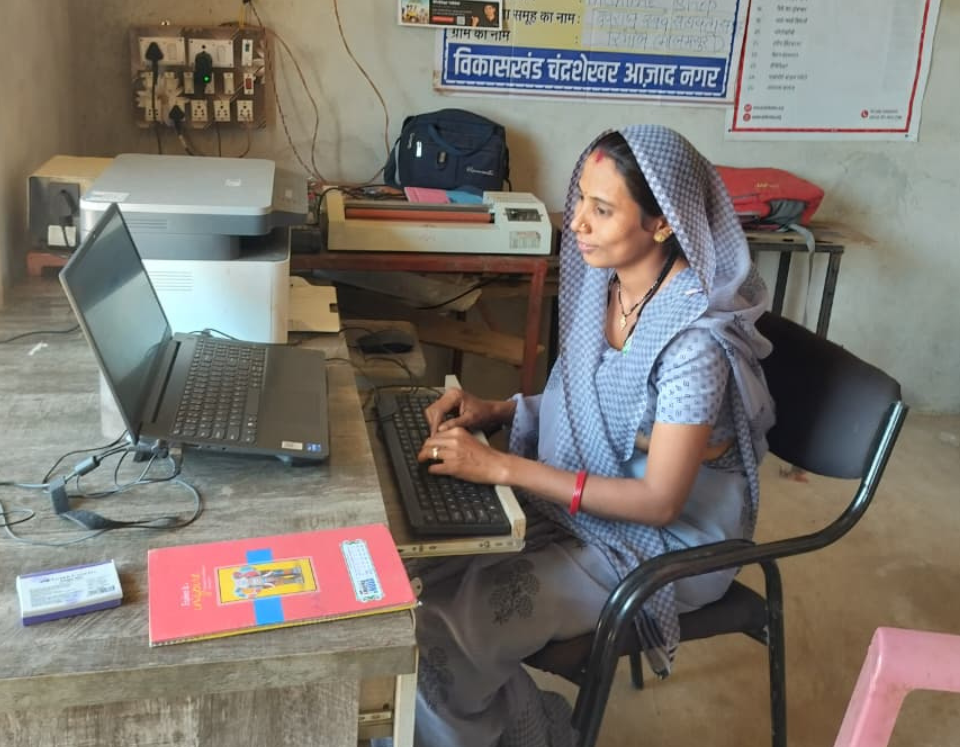
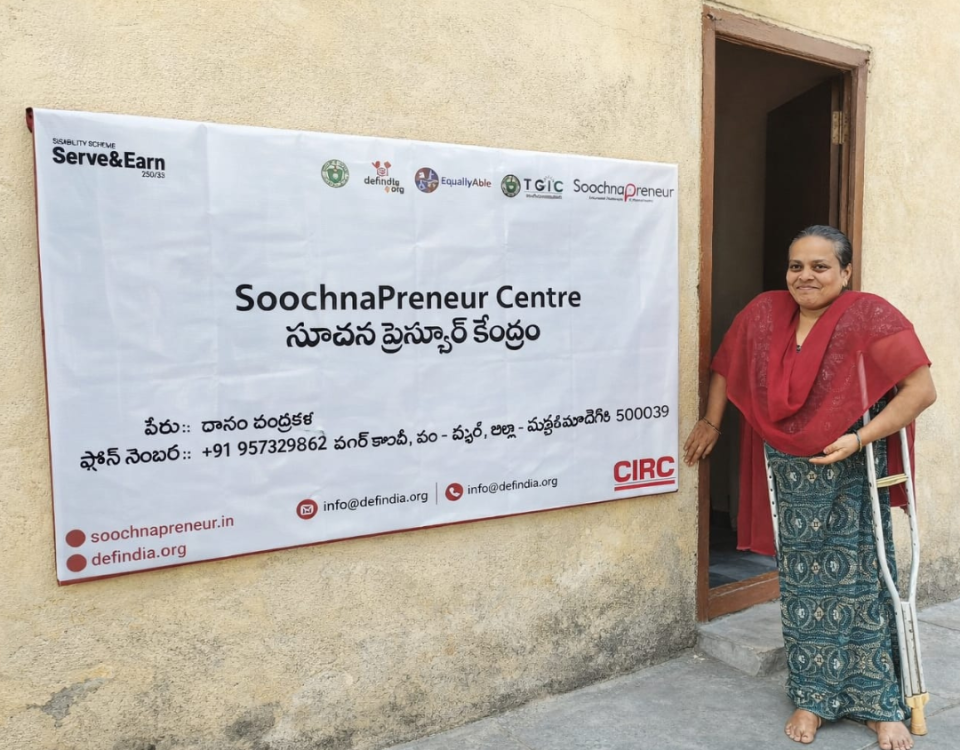
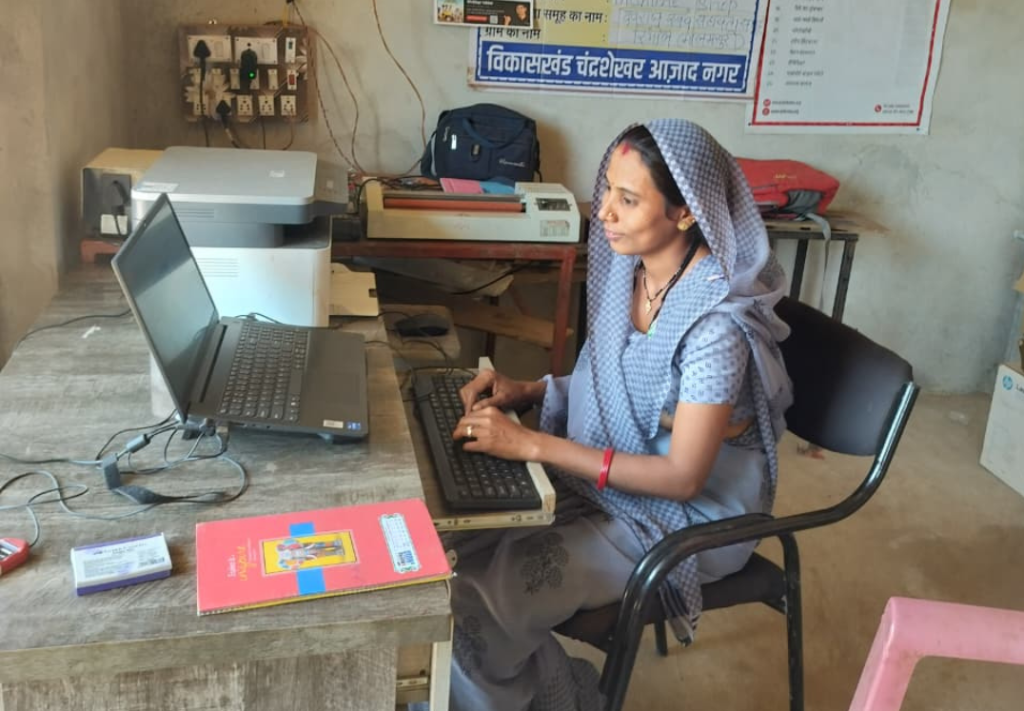
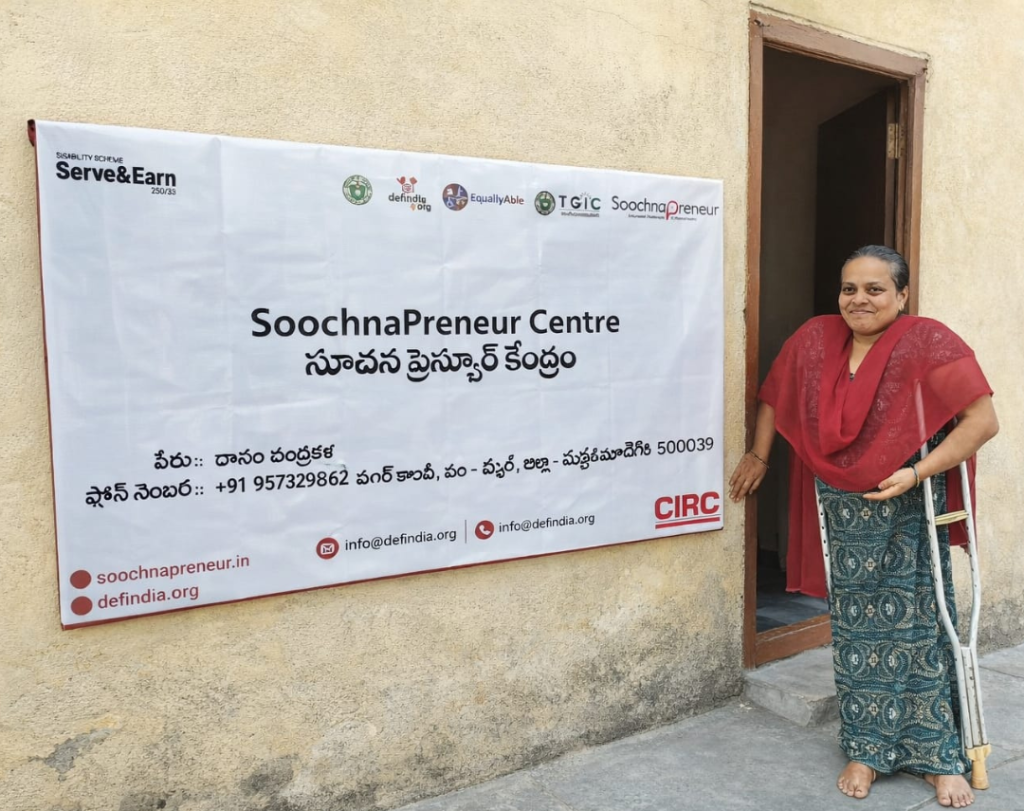
At this critical moment, a SoochnaPreneur from a neighbouring village came to his aid. Upon recognising that Ashok was a victim of cybercrime, local community workers and digital literacy trainers from the Digital Empowerment Foundation (DEF) intervened to provide support. The team strengthened digital literacy sessions in Devpura to raise awareness about cyber threats and to equip community members with practical knowledge on protecting themselves from online fraud.
Despite the hardships Ashok faced, his experience has acted as a catalyst for greater awareness within the village. It has sparked conversations about the importance of caution and responsibility when using digital platforms. SoochnaPreneurs, who work to promote digital literacy and access in rural India, have played a crucial role in educating communities about cyber fraud and reinforcing the importance of online safety.